
Allamin Foundation trains Maiduguri youths, women on human rights documentation and conflict reporting

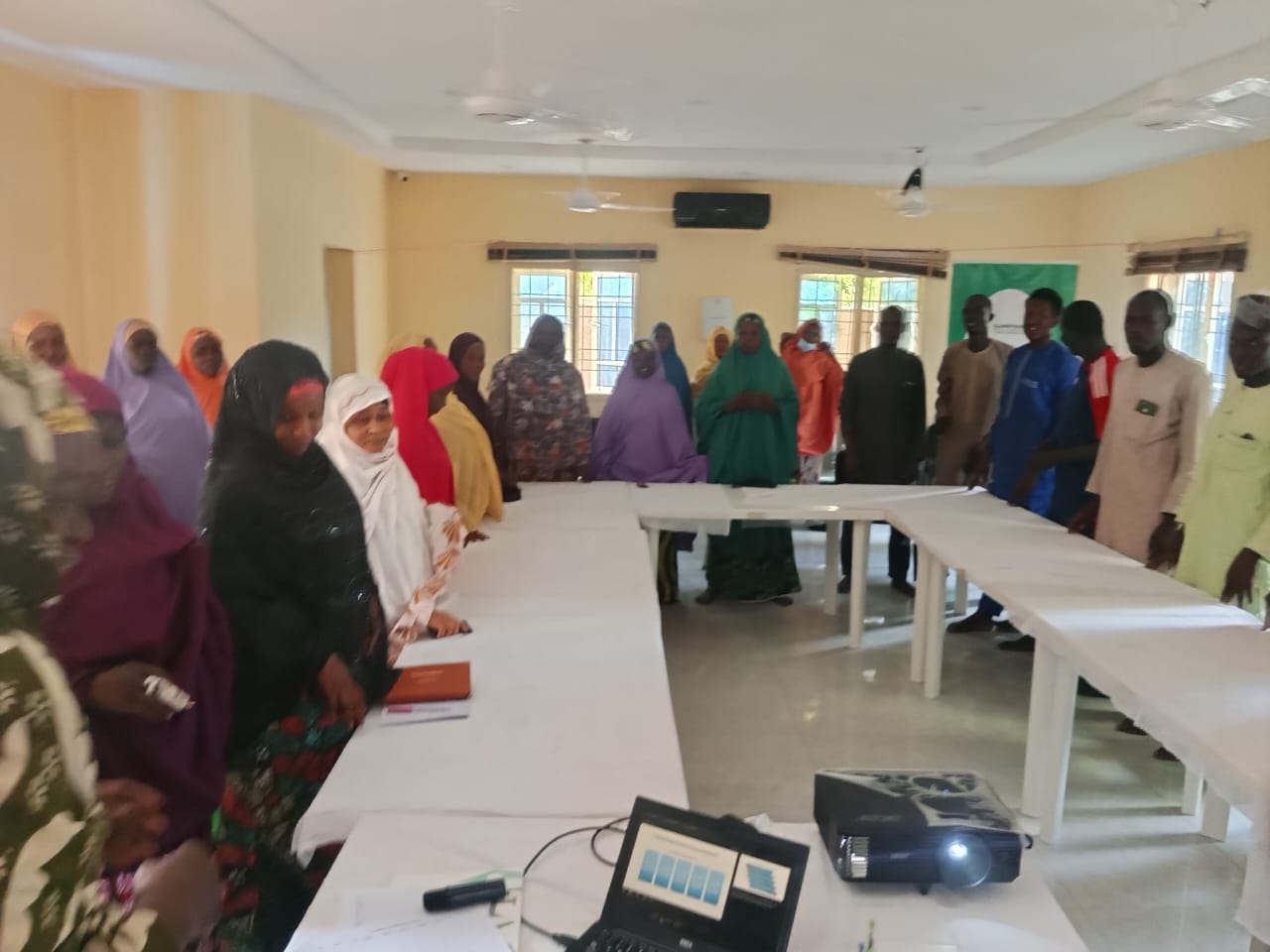
Allamin Foundation for Peace and Development has conducted a one-day capacity-building workshop for youths and women drawn from the Jire Dole Association in Maiduguri, focusing on basic reporting and documentation of human rights violations.
The training, held on Saturday at the Hajja Mangal Memorial Banquet Hall, Allamin Foundation Office, GRA Maiduguri, was facilitated by Dr. Mohammed Abdullahi of the University of Maiduguri, who served as the resource person.
Dr. Abdullahi explained that the training became necessary due to the sensitive nature of fieldwork involving victims and survivors of the Boko Haram insurgency.
According to him, participants required proper knowledge and skills to effectively gather statistical data and relevant information from affected communities.
He stressed that the confidentiality, value, and sensitivity of the data demanded structured processes and procedures, making it essential for participants to understand the fundamentals of conducting interviews and documenting human rights violations.
The facilitator emphasized the need to create a safe and private environment when interviewing survivors and witnesses of conflict.
He advised participants to remain respectful and patient, ask open-ended questions, and avoid pressuring interviewees.
“When interviewing survivors and witnesses of conflict, there is need to create a safe and private environment, be respectful and patient while asking open-ended questions, and avoid rushing interviewees. Members should also avoid re-traumatization or stop the interview if the person becomes uncomfortable,” he said.
Dr. Abdullahi also highlighted the importance of following a step-by-step documentation process, noting that information gathered must be properly identified, documented, and submitted to the appropriate authorities.
He further advised participants to prioritize their safety and that of victims, obtain consent before interviews, review and verify information, and ensure details are recorded clearly.
According to him, accurate documentation requires writing statements exactly as provided by survivors, avoiding assumptions, and using simple and clear language.
“Record dates, times, and locations accurately, and avoid leaving blank spaces,” he added.
The resource person urged participants to ask the right questions, allow survivors to narrate their experiences in their own words, and gently clarify unclear information without influencing responses.
He also outlined proper reporting pathways after documentation, advising participants to follow organizational procedures, report to relevant authorities, and conduct quality checks before submission.
“After documentation, follow agreed reporting channels and timelines. Carry out quality checks before submitting your report by asking: is the information complete? Is it clear and accurate? Are there any assumptions? Is the form properly filled?” he said.
Dr. Abdullahi explained that proper documentation and reporting help enable quick response and support for victims, prevent further violations, strengthen accountability mechanisms, and provide reliable data for advocacy and protection.
He warned against common mistakes such as writing vague statements, using unclear language, mixing facts with personal opinions, and asking leading questions.
He urged participants to remain objective and allow survivors to tell their stories without interference.
“Always be specific and precise, avoid mixing facts with personal opinions, and stop influencing survivors’ responses. Listen carefully and let them tell their story in their own words,” he advised.
The workshop forms part of Allamin Foundation’s ongoing efforts to strengthen community-based peacebuilding, human rights protection, and documentation of violations in conflict-affected communities in Borno State.