

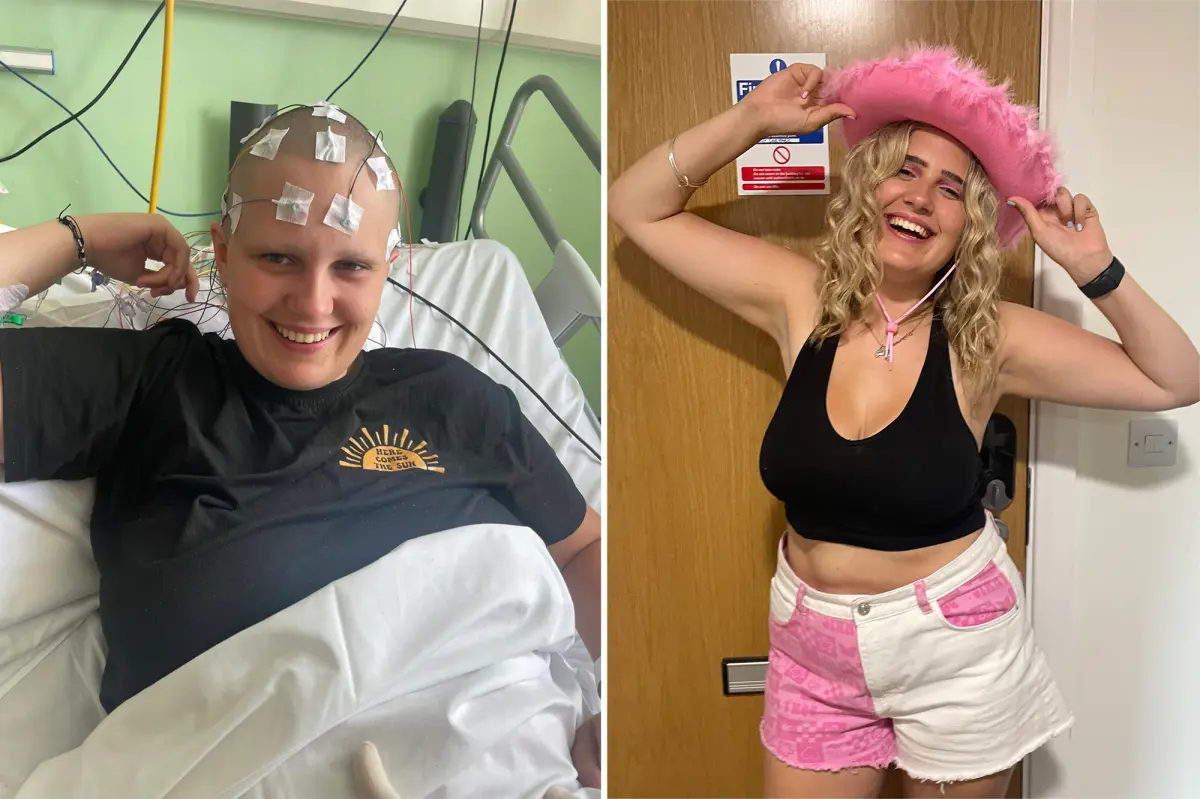
After years of frustrating misdiagnoses, a Welsh woman desperately turned to ChatGPT for answers — and the AI bot got it right when her doctors couldn’t.
Phoebe Tesoriere, of Cardiff, Wales, had been suffering from seizures, falls and balance problems for years, and claims doctors told her she was anxious, depressed and epileptic — warning she’d be treated as a mental health patient if she kept returning to the ER, according to the BBC.
Her symptoms stretched back to childhood. Balance was the first of her medical problems.
“All my childhood I had a limp,” said Tesoriere. “I was born without a hip socket and had operations as a baby, so thought it was to do with that.”
At the time, the 23-year-old was tested for a condition called dyspraxia, which affects coordination.
But tests were negative.
At 19, she collapsed from a seizure, according to People, and doctors put it down to anxiety, but she had a hard time buying it.
“I had no history of anxiety. I was a really happy, bubbly person,” she said.
In 2022, the young woman was diagnosed with epilepsy and put on medication — but her symptoms kept getting worse. She was struggling to walk and dealing with more seizures.
Doctors then diagnosed her with Todd’s paralysis, which can affect individuals with epilepsy.
She fell down a flight of stairs in January 2025, and after a three-month hospital stay, the results of a plethora of tests were inconclusive.
Seven months later, she suffered a seizure that left her in a coma for three days.
Doctors told her it was anxiety.
Desperate, upset and “lonely,” she turned to ChatGPT, which suggested she might have hereditary spastic paraplegia, a genetic condition characterized by progressive muscle stiffness and weakness in the legs.
Tesoriere brought the bot’s findings to her doctors, who ordered genetic testing — and confirmed ChatGPT was right.
Now in a wheelchair, Tesoriere is managing her symptoms through physical therapy. She can no longer work as a teacher, but is pursuing her master’s degree in psychology to “do something that helps people.”
In a statement to the BBC, a spokesperson for Cardiff and Vale Health Board, a regional healthcare authority in Wales that is part of the National Health Service, said: “We are sorry to hear about Phoebe’s experience while in our care.”