

Controversy over the neutrality of the Independent National Electoral Commission (INEC) has intensified, with opposition voices alleging partisanship and calling for sweeping reforms ahead of the 2027 general elections. The African Democratic Congress (ADC) has been at the forefront of the criticism, demanding the resignation of INEC Chairman, Prof. Joash Amupitan, over what it describes as a pattern of biased decisions. The party insists the electoral umpire can no longer be trusted to conduct credible polls. ADC leaders point to several actions taken under Amupitan’s leadership, including a controversial social media post linked to him during the 2023 elections and, more recently, INEC’s April 1, 2026 decision to delist the party’s leadership from its official portal. The move effectively removed Senator David Mark as national chairman and sidelined other members of the party’s National Working Committee (NWC). But INEC defended its decision, citing a Court of Appeal order directing parties involved in internal disputes to maintain the status quo. But the ADC rejected that explanation, accusing the commission of misinterpreting the ruling to achieve a predetermined outcome.
“We are reaching out to INEC’s international partners to make it clear that the commission is gradually becoming a rogue organisation,” ADC National Publicity Secretary, Bolaji Abdullahi, said. “Yes, I can confirm that we have been engaging them and will continue to do so.”
The controversy has drawn in civil society groups and political analysts, many of whom have questioned a “forensic investigation” reportedly commissioned to clear the INEC chairman. Critics have dismissed the report as a reactive measure that failed to address core concerns. Beyond the immediate dispute, attention has shifted to what observers describe as a long-standing structural flaw: the role of the executive and legislature in shaping INEC’s leadership.
At the heart of the debate is the 2008 report of the Justice Muhammadu Uwais Electoral Reform Committee, set up by late President Umaru Musa Yar’Adua following the widely criticised 2007 elections.
The committee recommended stripping the President of the power to appoint the INEC chairman and national commissioners. Instead, it proposed that the National Judicial Council (NJC) should oversee a transparent selection process and forward qualified nominees for presidential consideration, subject to further consultation and Senate confirmation. The aim was to insulate the electoral body from political influence and strengthen public confidence in the process. However, successive administrations and the National Assembly declined to adopt the recommendation.
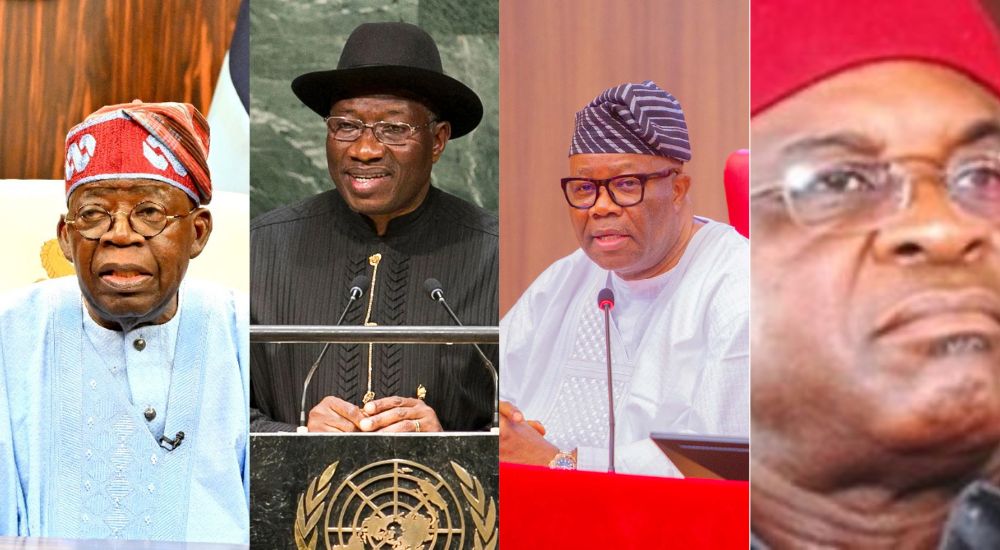
Political calculations ultimately trumped reform. Despite initial enthusiasm, the Yar’ Adua administration backed away from implementing the proposal. His successor, former President Goodluck Jonathan, forwarded the report to the National Assembly but withheld the contentious recommendation.
At the time, the legislature, led by then Senate President David Mark, reportedly opposed ceding the powers of the President over INEC chairman’s appointment to the NJC.
Analysts say the outcome entrenched a system in which the executive retains decisive control over INEC appointments, with legislative backing, thereby weakening the commission’s perceived independence.
“The demand for INEC neutrality often depends on political convenience,” a senior member of the ruling All Progressives Congress (APC), who asked not to be named, said. “Political actors push for reforms when they are in opposition, but once in power, they resist the same changes.” That irony is not lost on observers. Political heavyweights who once resisted reforms are now among those calling for a more independent electoral body, as opposition parties raise concerns about the credibility of future elections.
With the 2027 polls fast approaching, pressure is mounting for a revisit of the Uwais Committee recommendations. Observers however, note that whatever reform intended, might be too late for the 2027 general election with its tight schedule.
For many stakeholders, the current dispute is not just about one chairman, but about a system that continues to blur the line between electoral oversight and political influence.