

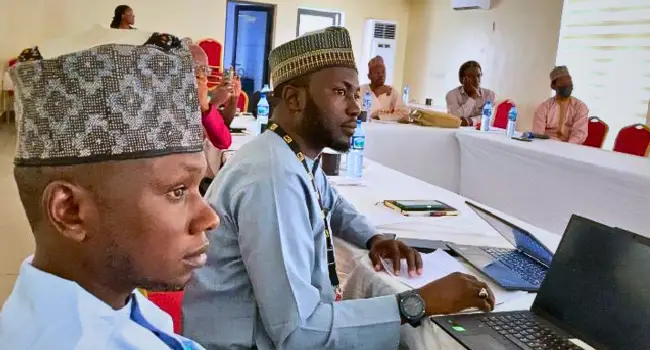
A three-day training workshop for journalists has commenced in Katsina State, with stakeholders identifying poverty, acute food insecurity, insurgency, banditry, and limited access to healthcare as major drivers of rising malnutrition across Nigeria.
The workshop, organised by the Nigeria INGO Forum (NIF) and themed “Strengthening Media Action for Nutrition in Crisis Contexts”, is designed to equip media professionals with the skills to deliver accurate, balanced, and evidence-based reporting on humanitarian issues, particularly nutrition in emergency settings.
Despite ongoing interventions by state governments to curb malnutrition, stakeholders noted that the situation remains dire.
READ ALSO: Two Persons Arrested For Allegedly Setting Man Ablaze
They disclosed that between June and August 2026, an estimated 34.7 million Nigerians are projected to face acute food insecurity, marking the highest figure recorded in any African country within the period.
In addition, nearly 6.4 million children aged 0–59 months are expected to suffer from acute malnutrition by September 2026, according to IPC 2025 projections.
Of this number, about two million children are likely to experience severe acute malnutrition (SAM), with only two in every ten currently accessing treatment.
Speaking with journalists, the Policy, Advocacy and Communication Manager of the Nigeria INGO Forum, Ademilola Adesanya, urged participants to remain focused throughout the training and leverage the knowledge gained to influence public discourse.
She emphasised the need for journalists to produce factual and balanced reports that highlight the realities of nutrition crises, to drive informed action and reverse the growing trend of malnutrition in the country.