
Kaduna Govt distributes 100 specialised wheelchairs to boost inclusion for children with disabilities

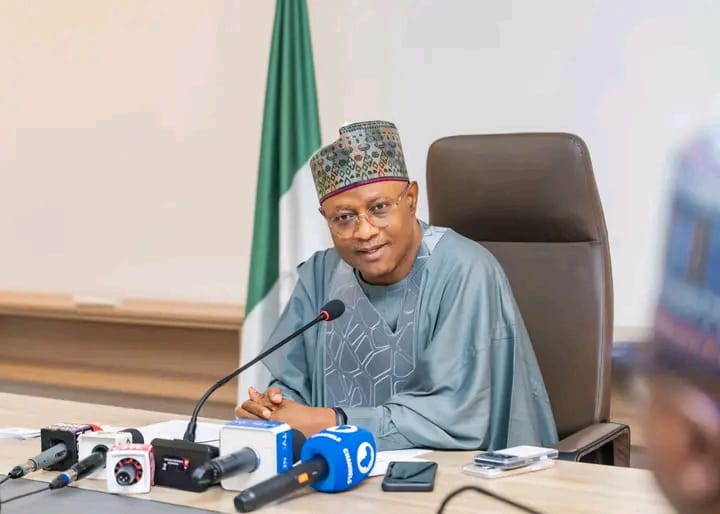
Kaduna State Government has commenced the distribution of 100 specialised paediatric wheelchairs to children with mobility impairments, in a move aimed at strengthening disability inclusion and improving the quality of life for vulnerable children across the state.
The intervention is being implemented under the Build-A-World of Play (BAWOP) programme in partnership with the Clinton Health Access Initiative, with support from the LEGO Foundation.
The distribution exercise, which began on Friday in Kaduna, brought together senior government officials, health sector stakeholders, and development partners, as CHAI formally handed over the assistive devices to the state government.
Speaking at the event, the Executive Secretary of the Kaduna State Disability Affairs Board, Rakiya A. Umar, described the wheelchairs as critical tools for enhancing mobility, independence, and overall wellbeing of children living with physical disabilities.
She explained that the wheelchairs are specially designed with headrests, back support, and positioning straps to ensure proper posture and prevent long-term deformities.
According to her, each child undergoes a personalised fitting process, while parents and caregivers are trained on proper usage and maintenance of the devices.
The initiative is being jointly implemented by the State Disability Affairs Board, the State Universal Basic Education Board (SUBEB), and the State Primary Health Care Board in collaboration with CHAI.
Beyond the distribution of wheelchairs, the programme has also provided a range of assistive devices, including crutches, ankle boots, back slabs, eyeglasses, guide canes, and posture-support equipment, all tailored to meet individual needs following comprehensive assessments.
Officials noted that the programme aligns with Kaduna State’s broader disability-inclusive policy framework, which prioritises early detection, access to assistive technology, and play-based support systems for children with special needs.
Data from the initiative indicate that over 171,000 children have been screened for developmental delays across schools, healthcare facilities, and communities, covering areas such as vision, mobility, communication, cognition, and hearing.
Director of Special Programmes at SUBEB, Esther Jibji, said the partnership with CHAI has helped translate policy into measurable outcomes through early identification and targeted interventions.
Similarly, the Focal Person at the State Primary Health Care Board, Cecelia Marcus, noted that the collaboration has strengthened institutional capacity for early diagnosis and timely intervention.
She disclosed that more than 2,000 children have been identified through the state-led screening efforts.
Marcus stressed the need for sustained government commitment to expand rehabilitation services and ensure that children with disabilities are not left behind in the state’s development agenda.