

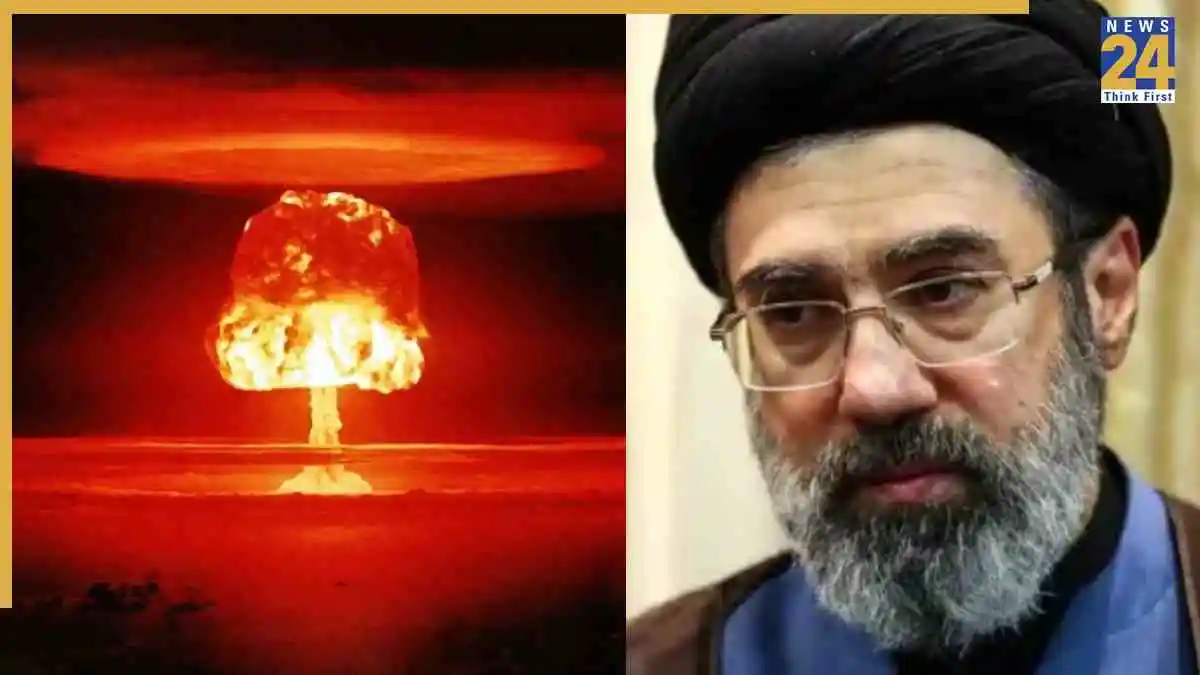
Tensions in West Asia have sharply escalated after Iran moved to assert control over the Strait of Hormuz, one of the world’s most critical oil routes. The development follows joint military strikes by the United States and Israel on February 28, which pushed Tehran to take its strongest step yet, effectively shutting the narrow waterway it has long threatened to block.
The latest situation has also seen a US naval blockade in the region, creating confusion over who truly controls the passage. While Washington claims its blockade is effective, Tehran insists it remains in charge.
Despite the rising tensions, shipping activity has not completely stopped. Data from analytics firm Kpler shows that at least 20 tankers passed through the Strait on Saturday, while nine vessels reportedly turned back after warnings. One such ship was the Chinese-owned “Rich Starry,” which had earlier been sanctioned by the US.
ALSO READ: US seizes Iranian ship near Strait of Hormuz, Tehran vows to retaliate: ‘Will soon respond and…’
Strait of Hormuz: Iran’s Strongest Weapon
The crisis has shown the strategic importance of Hormuz, through which nearly 20 per cent of the world’s oil supply flows. Iran now sees control over this chokepoint as a powerful geopolitical and economic tool. Tehran has even included its authority over the Strait as a key demand in peace talks with the US.
Global Impact and Rising Warnings
The situation has raised alarm worldwide, especially among energy-dependent countries like India and China, which rely heavily on oil imports from the Gulf region. Any disruption could lead to sharp increases in global oil prices and supply shortages.
Iran has issued strong warnings, stating that any threat to its ports would destabilize the entire Persian Gulf region. Senior officials have made it clear that control over the Strait is a non-negotiable right. At the same time, Tehran has assured that ships from countries not involved in the conflict can pass safely.
As the standoff continues, the Strait of Hormuz has emerged not just as a trade route, but as a powerful symbol of geopolitical leverage with global consequences.
ALSO READ: Who is Shamim Mafi? Glamorous Iranian businesswoman arrested in US for selling drones, bombs to…, she was in close contact with…