

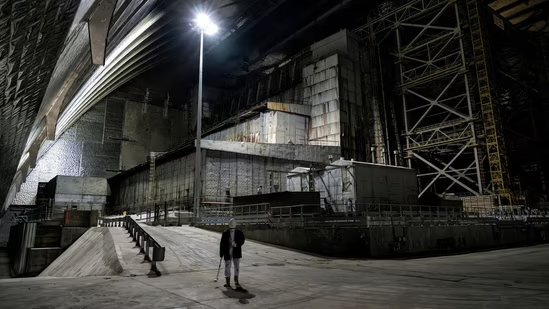
AS A BLUE coach pulls up outside Chernobyl nuclear-power plant, friendly stray dogs approach it. It has passed through multiple Ukrainian military checkpoints—necessary since Russian troops briefly occupied the plant on the first day of the invasion in 2022. Out spills the next shift of workers, ready for 14-day stints on site. Just above the main entrance, employees tuck into a subsidised lunch of Ukrainian staples. The cafeteria is abuzz, even though the last of the plant’s four reactors shut down for good in 2000.
Staff clad in three layers of white cotton dart into and out of the “Golden Corridor”, nearly a kilometre of narrow hallway that runs the length of the plant, its walls a distinctively Soviet gold-painted aluminium and its floors a staggering expanse of clacking broken tiles. Along its length there are pans with sodden rugs to step into, to collect any potentially radioactive dust on the bottom of shoes, and antiquated whole-body radiation-scanner gates: only the clean shall pass. Some of those traversing the corridor are involved in radiation monitoring. Many more carry out the excruciatingly slow business of decommissioning and dismantling. And some are still making new scientific discoveries.