
Who are the 8 women Donald Trump wants freed from Iranian jails? They are accused of…; US President calls it ‘great start…’

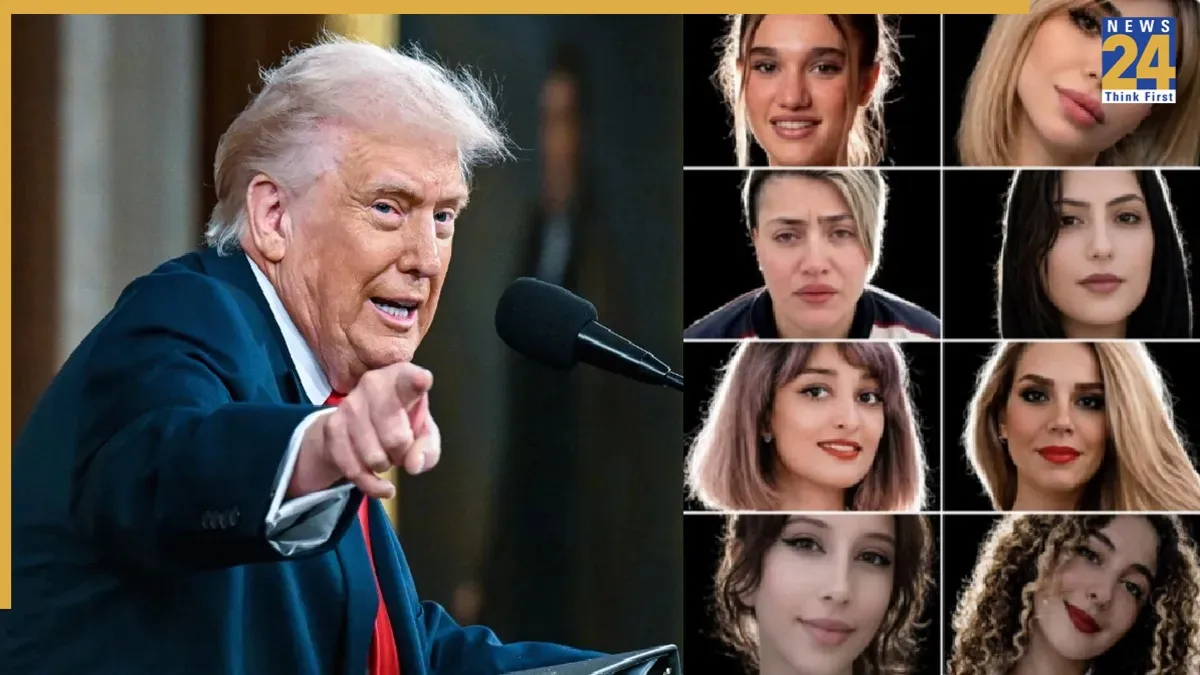
US President Donald Trump has called on Iran to halt the reported execution of eight women, although much of the available information about their identities and the charges they face is still fragmented and not independently verified. In a post on Truth Social, Trump said he would “greatly appreciate the release of these women” and urged Iranian leaders to “do them no harm”, presenting the move as a possible goodwill gesture ahead of future negotiations.
Who are the 8 women named so far?
The names have mainly circulated through activist accounts and advocacy groups, including a post by Eyal Yakoby and information compiled by the Lawfare Project. However, many of the details remain incomplete and in some cases disputed.
One of the women named is Bita Hemmati, who is described by the National Council of Resistance of Iran (NCRI) as a protester arrested during anti-government demonstrations in January. Reports say she was detained along with her husband and others and later sentenced to death.
Another is Diana Taherabadi, aged 16, who is described in media reports as a minor detained in January for alleged involvement in protests.
Mahboubeh Shabani, aged 33, was arrested in February and is accused by rights groups of helping injured protesters during demonstrations.
Ensieh Nejati is described in reports as a Kurdish women’s rights activist who was sentenced to death in early 2025. Some social media claims also suggest she is a mother of a young child, although this has not been independently confirmed.
The remaining names listed are Ghazal Ghalandari, Golnaz Naraghi, Venus Hossein Nejad, and Panah Movahedi. Information about them is limited. Reports suggest Naraghi is believed to be a 37-year-old emergency medicine specialist arrested during protests, while Hossein Nejad was allegedly taken from her workplace by security forces and later forced into a televised confession.
What charges do they reportedly face?
Only a few of the cases include specific allegations that have been publicly reported. According to the NCRI, Hemmati has been accused of offences including using explosives, throwing objects such as concrete blocks, taking part in protest gatherings and disrupting national security.
For several of the other women, the reported charges are described more broadly. Media reports, including those cited by The Hill, say some are accused of taking part in or organising anti-government protests, while Shabani is specifically alleged to have helped injured demonstrators.
There are also claims from some advocacy groups that certain detainees were forced to give televised confessions, although these allegations have not been independently verified.
What remains unclear about the cases?
Significant uncertainty remains around the full details of the situation. Iranian authorities have not publicly confirmed all eight identities or provided complete legal information in every case. Much of what is known comes from activist networks and human rights organisations, and independent verification of the charges and court proceedings is limited. The White House has also not released detailed confirmation about the individual cases.
What is the wider context behind these arrests?
The reported cases are being linked to a wider crackdown following anti-government protests in Iran earlier this year. The Human Rights Activists News Agency has reported that more than 50,000 people were detained during the demonstrations, while the NCRI has claimed there were hundreds of executions in early 2026.
Human rights organisations have repeatedly said that many trials in such cases appear to have been rushed or unfair, although Iran has consistently denied these allegations.