

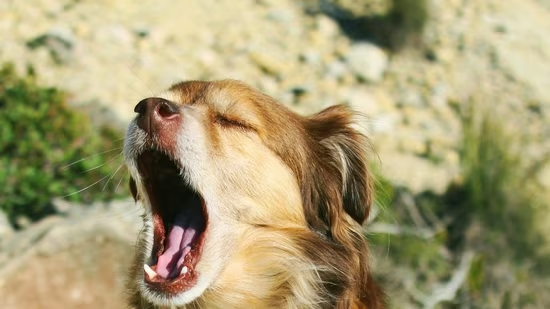
If you’ve ever seen your dog yawn and assumed it was simply tired, experts say that is not the only reason. New insights into canine behavior suggest that yawning in dogs is not just about sleep; it can signal stress, communication, empathy, and even emotional regulation.
Dog yawning is similar to human yawning in that it is characterized by an open jaw and may be a high-pitched sigh or sound.
But in many respects, it can still mean different things than it does for human yawning.
According to a report by Rover, dogs use yawning as a multi-functional behavior that goes far beyond fatigue. While tiredness and boredom remain common triggers, yawning can also reflect how a dog feels in a given situation.
Dr Shannon Barrett, Charleston-based house-call veterinarian, said, “There are a few positive reasons your dog may yawn.” Barrett added, “It is essential to differentiate between a normal and abnormal yawn.”
Read more: Want a dog-friendly workplace? Here’s what you’ll need to get right
More than sleep: What else could a dog’s yawn mean
Yawning to soothe stress or anxiousness
Barrett said yawning is often tied to emotional states rather than just physical ones. Dogs may yawn when they are stressed, anxious, or trying to calm themselves in uncomfortable situations.
Barrett’s insights indicate that yawning can act as a self-soothing mechanism, helping regulate breathing and reduce tension. The American Kennel Club also noted that yawning can be a sign of anxiety or discomfort, especially in unfamiliar environments or during training sessions.
Yawning as a means of communication
In some cases, yawning may even function as a social signal. Dogs use it to communicate non-aggression or diffuse tension, particularly when interacting with other dogs or humans, per PetMD.
Dogs may also “catch” human yawns, a characteristic associated with social bonding and empathy. According to researchers, dogs and their owners have a close emotional bond, which may be reflected in this contagious yawning.
Yawning to express joy, relaxation or excitement
According to Barrett, when a dog yawns while sleeping, playing, cuddling, or being touched, it’s usually a positive sign. When they’re excited, like before playtime or when you’re about to give them a treat, some dogs will yawn.
Barrett said, “A happy and relaxed yawn will generally be slow, with the mouth opening wide while the jaw drops slightly. This type of yawn usually has no accompanying sounds like growls or whines. Their eyes may also close briefly—but should not remain closed for an extended period.”
Barrett further detailed, “Yawning can also indicate excitement or anticipation for something enjoyable, such as going for a walk or playing fetch.”
Read more: Truth behind viral video of 7 dogs escaping thieves, walking back home
Stress, excitement or something more serious?
Yawning is a common action, however prolonged yawning or several yawns in a short period of time can be problematic.
According to PetMD, frequent yawning may signal stress, confusion, or even discomfort and pain. Barrett said, “Stress yawns are usually accompanied by clues such as cowering, panting, pacing, or hiding.”
Barrett further added that unknown or new situations can also trigger excessive yawning. She said, “Additionally, if your dog has been in an unfamiliar setting recently, such as the vet, they may feel anxious and start exhibiting signs like excessive yawning.”
Barrett further listed a few other characteristics that dogs exhibit, along with yawning when stressed, such as having their ears pinned back, rapid eye blinking or lip licking or drooling.
Keep an eye out for any other behaviors your dog may be displaying if you’re worried about their yawning. Make sure to record your dog’s yawn and send it to your veterinarian for additional diagnosis.