
Will Donald Trump travel to Pakistan for in-person peace talks with Iran? Reports hint at high-stakes visit as ceasefire nears deadline

Efforts are underway to revive negotiations between the United States and Iran, with indications that fresh talks could resume in Pakistan as early as Wednesday. Sources familiar with the developments suggest that discussions are progressing, raising cautious optimism about a possible diplomatic breakthrough.
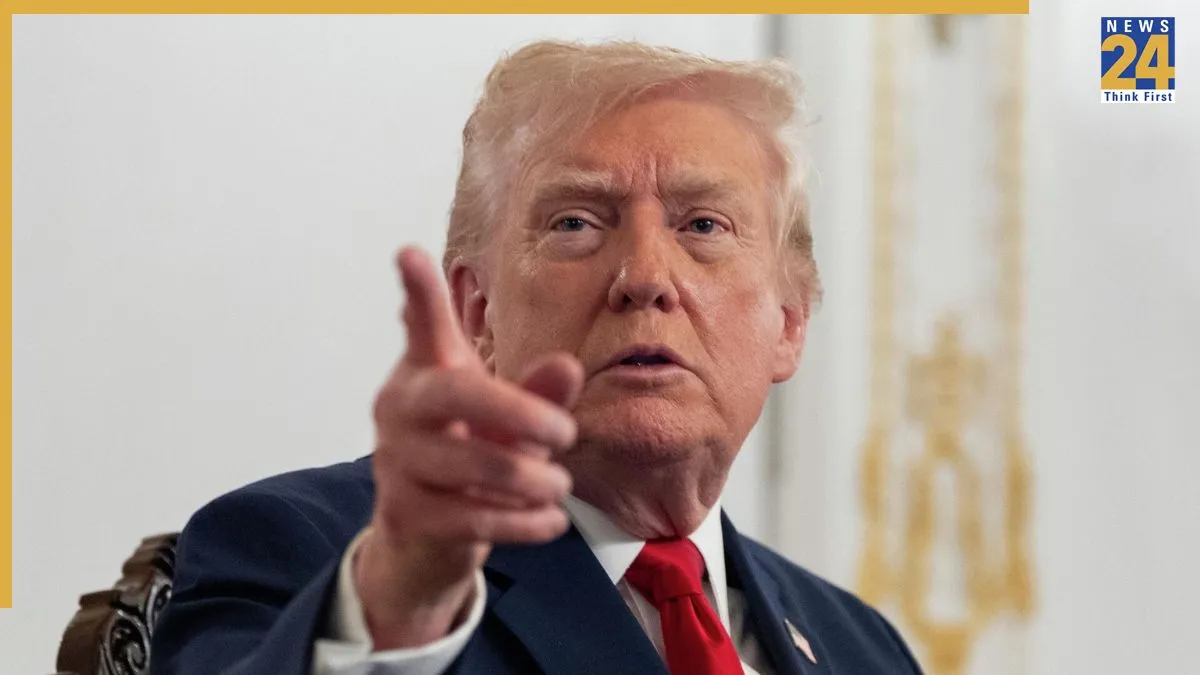
There are also indications that Donald Trump could take part in the process, either in person or virtually, if a formal agreement is reached.
Iran yet to take final call
While Washington has signalled readiness to move forward, Tehran appears to be weighing its options. Iranian officials have suggested that participation in the talks is under consideration, though no final decision has been confirmed so far.
Read More: Big blow to bankrupt Pakistan: Rs 14000 crore deal put on hold as Saudi Arabia threatens to…
Despite earlier reluctance, the shift in tone reflects a possible opening for dialogue as both sides assess the situation.
What both sides want
The United States is pushing for an agreement that would stabilise global markets, particularly oil prices and prevent further escalation in the region. A key condition from Washington remains ensuring that Iran does not develop nuclear weapons capability.
Iran, on the other hand, is seeking relief from economic sanctions while maintaining control over its nuclear programme. It is also using its strategic position near the Strait of Hormuz, a vital global energy route, as leverage in negotiations.
Even as talks appear to be gaining momentum, recent incidents have added to the strain. Iran has strongly criticised the United States over the reported interception of an Iranian commercial vessel named Touska, demanding the release of the ship, its crew and their families.
Read More: Hotel Burj Al Arab, iconic landmark in Dubai, shutting down for…., no connection with Iran and US-Israel war, what is the real reason?
US officials, however, suspect that the vessel may have been carrying materials with potential military use. According to the US Central Command, the ship failed to respond to repeated warnings and breached restrictions, leading to the standoff.
Global concerns and regional impact
The situation has also drawn international attention. China, a major buyer of Iranian oil, expressed concern over the incident, calling it a forced interception.
The broader conflict, which began earlier this year, has already disrupted energy supplies and raised fears of wider economic fallout. The Strait of Hormuz, through which a significant portion of the world’s oil and gas passes, remains a critical point of concern.
President Trump has reiterated that while negotiations are expected to happen, any agreement must ensure Iran does not gain nuclear weapons capability. Iranian leaders, meanwhile, have criticised US actions, warning that pressure tactics could undermine diplomatic efforts.
Read More: Iranian cargo ship seized by US ‘carried dual-use goods from China’ – Why it raises security fears
Senior Iranian figures have also made it clear that they are unwilling to negotiate under coercion, adding another layer of complexity to the situation.
Diplomatic activity continues
Reports suggest that JD Vance may travel to Pakistan for discussions linked to the talks, although there has been no official confirmation yet.
Read More: Oil prices set to rise as Kuwait declares state of emergency over exports; how will this impact India?
Despite the uncertainty, officials in Washington believe that a deal could be within reach.