


As the conflict with Iran enters its 27th day, both escalation and de-escalation remain plausible scenarios.
On Monday, US President Donald Trump announced a five-day delay to previously threatened strikes on Iranian infrastructure, specifically targeting the country’s power plants.
The decision has created a narrow window for diplomacy, with Trump signalling that Washington might pursue a deal with Tehran to end the conflict.
However, analysts warn that such pauses have often coincided with military repositioning, raising questions over whether the delay indicates genuine de-escalation or preparatory moves for broader operations.
Meanwhile, mediators from Türkiye, Pakistan, and Oman are ramping up diplomatic efforts to broker a ceasefire. Yet deep mistrust remains between the parties, particularly after earlier US and Israeli strikes during periods of active negotiations, including during the 12-day conflict in June 2025 and the current war that began on 28 February.
Experts also note that if the war were to end at this stage, persuading domestic audiences in the United States that Washington had achieved its objectives could prove politically challenging for Trump, making any compromise with Tehran difficult to justify.
At the same time, prolonging the conflict, particularly if it escalates into a ground invasion, carries significant risks for Washington, from potential shocks to oil prices and global financial markets to rising security anxieties across the Gulf and the wider Middle East.
While the US-led invasion of Iraq in 2003 saw American forces enter Baghdad within 21 days, the current conflict is approaching its fourth week with no indication that Iran is prepared to concede.
“He needs to get a deal, but the problem is that he does not know how to achieve it,” Louisiana Zaccara, a Doha-based expert on Iranian and Gulf politics, tells TRT World.
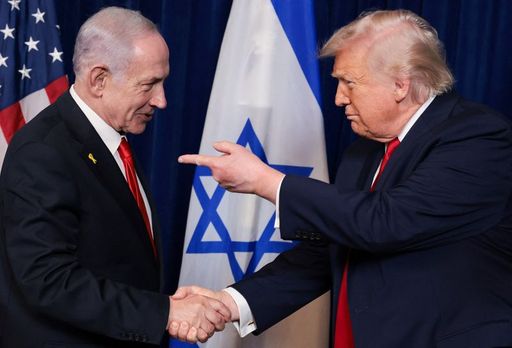
“His demands, fueled by Netanyahu’s existential concerns, prevent him from figuring out how to end this war without leaving Israel behind.”
A double-edged sword
Israel has signalled that even if the Trump administration reaches a deal with Tehran, it may continue military operations against Iranian targets, a stance that could complicate broader ceasefire or peace efforts.
Some former US and European officials and analysts have argued that Israeli actions helped trigger the current escalation, increasing pressure on Washington to support Israel militarily.
Related
“It’s a double-whammy,” Dan Steinbock, an acclaimed international expert, tells TRT World.
“If he doesn’t greenlight the ground operation, he fears looking weak. If he greenlights it, he will further alienate the US war opposition, including high-profile MAGA constituencies,” Steinbock, who is also the author of The Fall of Israel, a book published in the wake of the Gaza genocide.
Many influential MAGA figures, including Tucker Carlson, along with most Democrats, have voiced opposition to a potential US ground invasion of Iran.
Public opinion also remains sceptical, with polls showing widespread resistance to deploying ground troops and broader concern over the war’s consequences.
Meanwhile, mounting attacks across the region have reportedly affected US military infrastructure, with a The New York Times analysis noting that several American bases have become increasingly difficult to operate under sustained threat.
But despite all this opposition both within and outside the US to further escalation against Tehran, if Trump decides to launch a ground invasion of Iran, “it would be a terrible idea,” says Zaccara, referencing the possibility that regional turmoil could escalate into global proportions.